
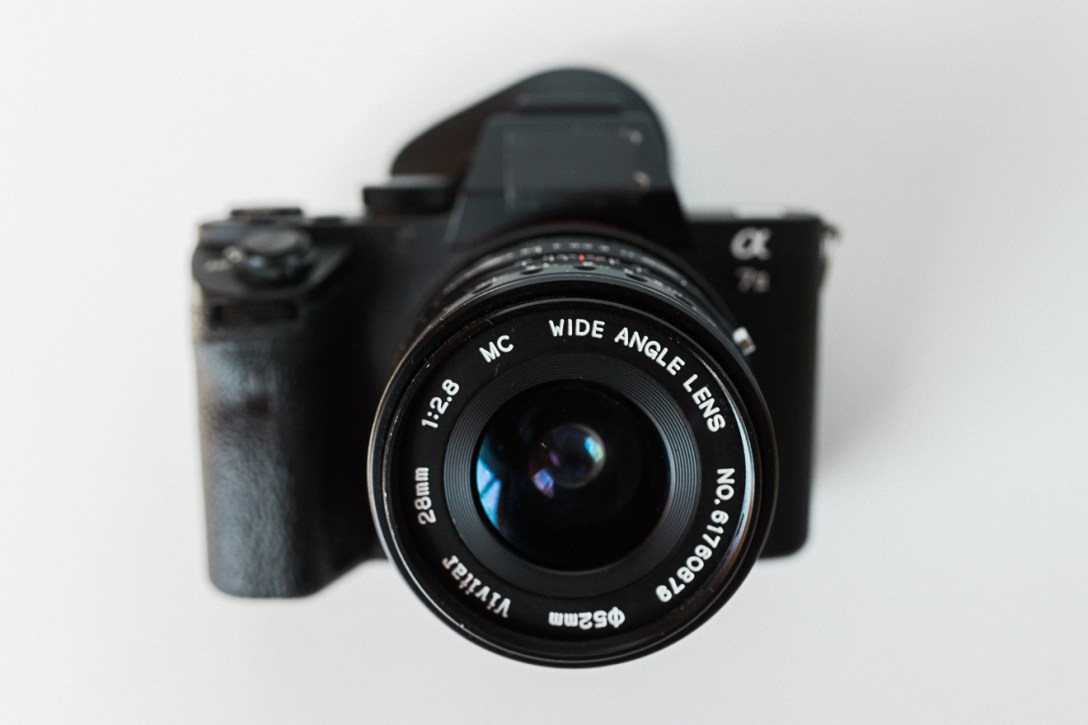
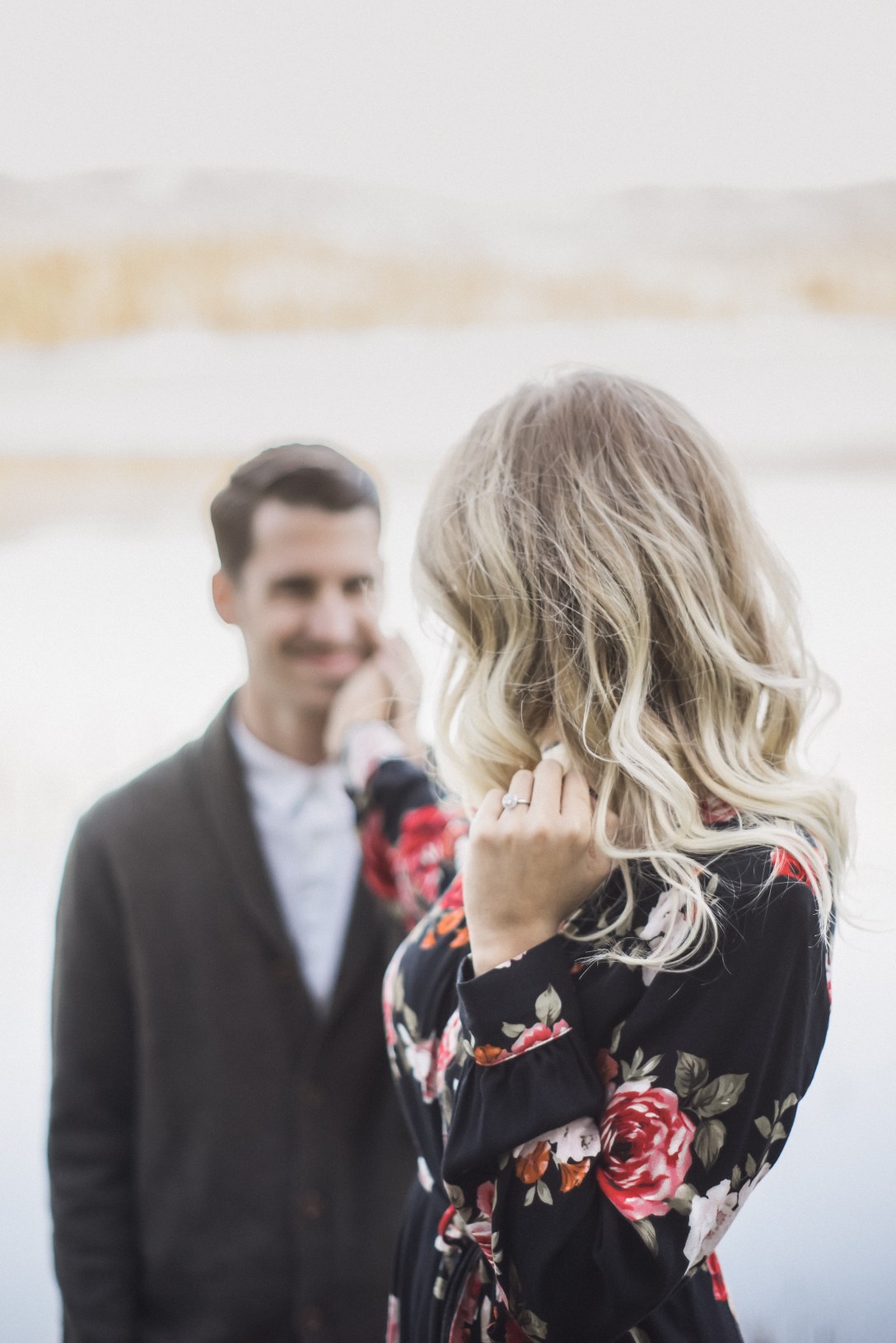
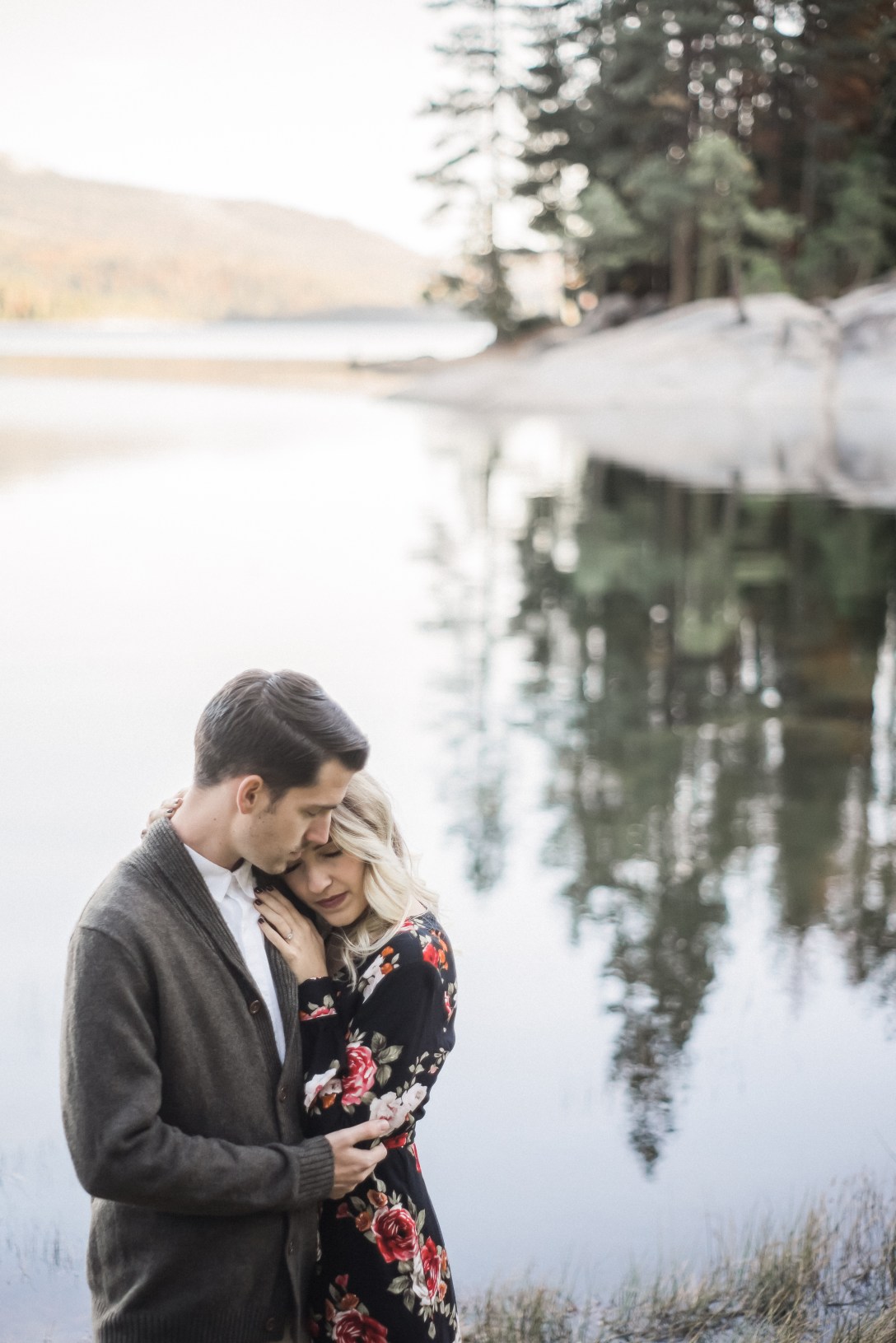
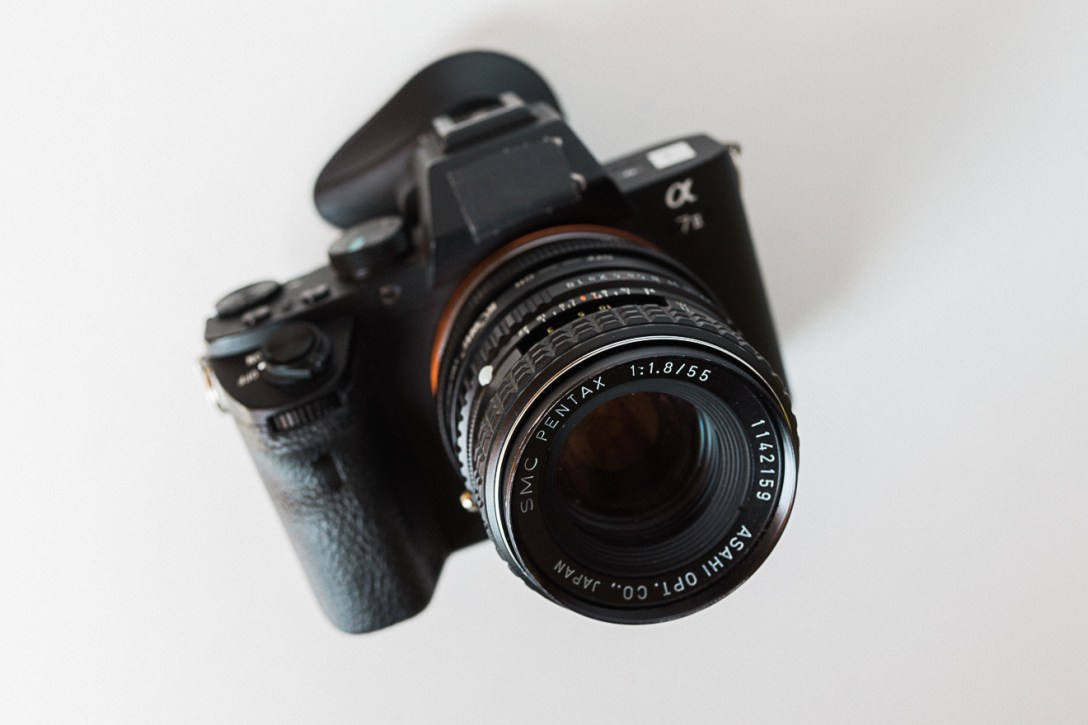
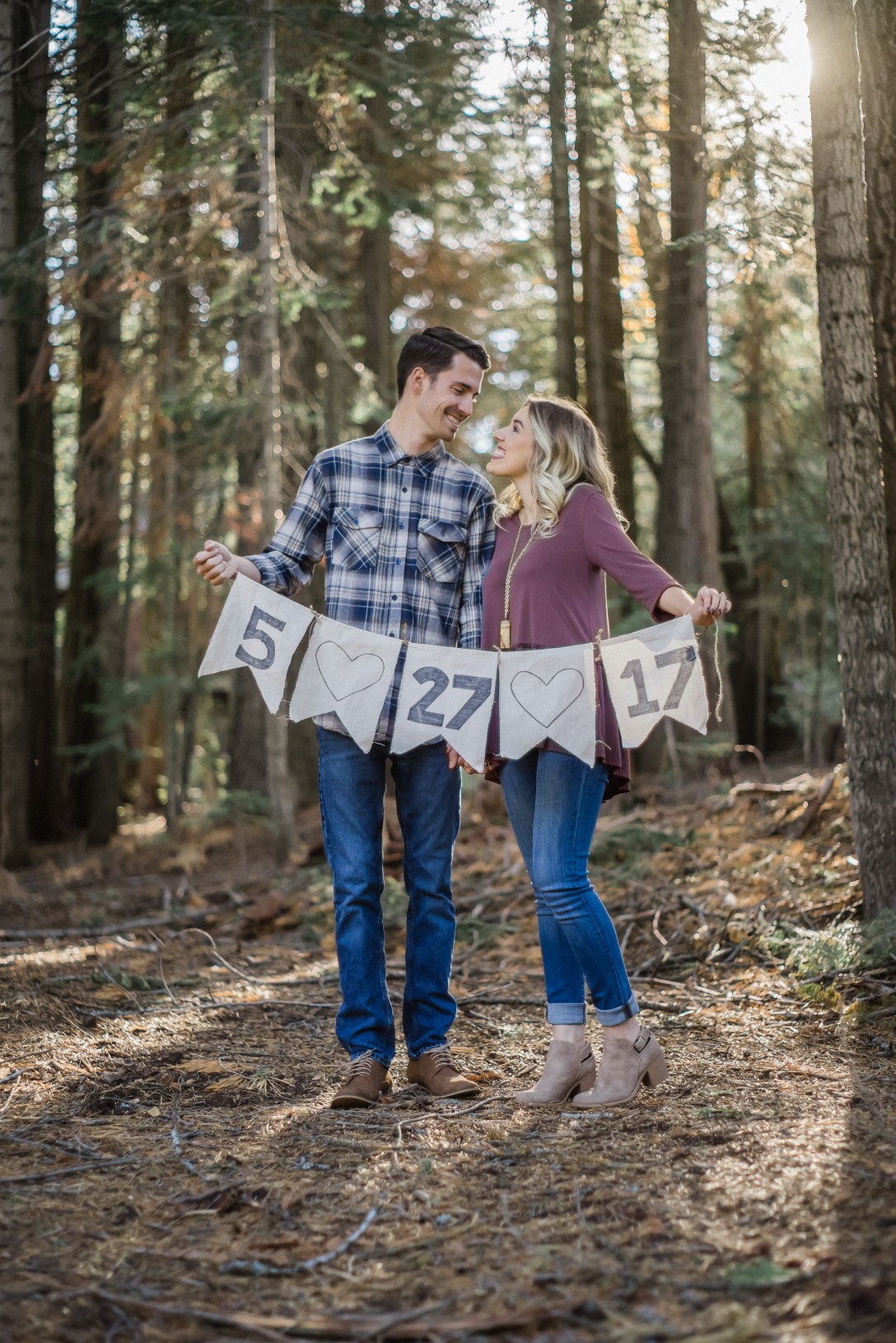
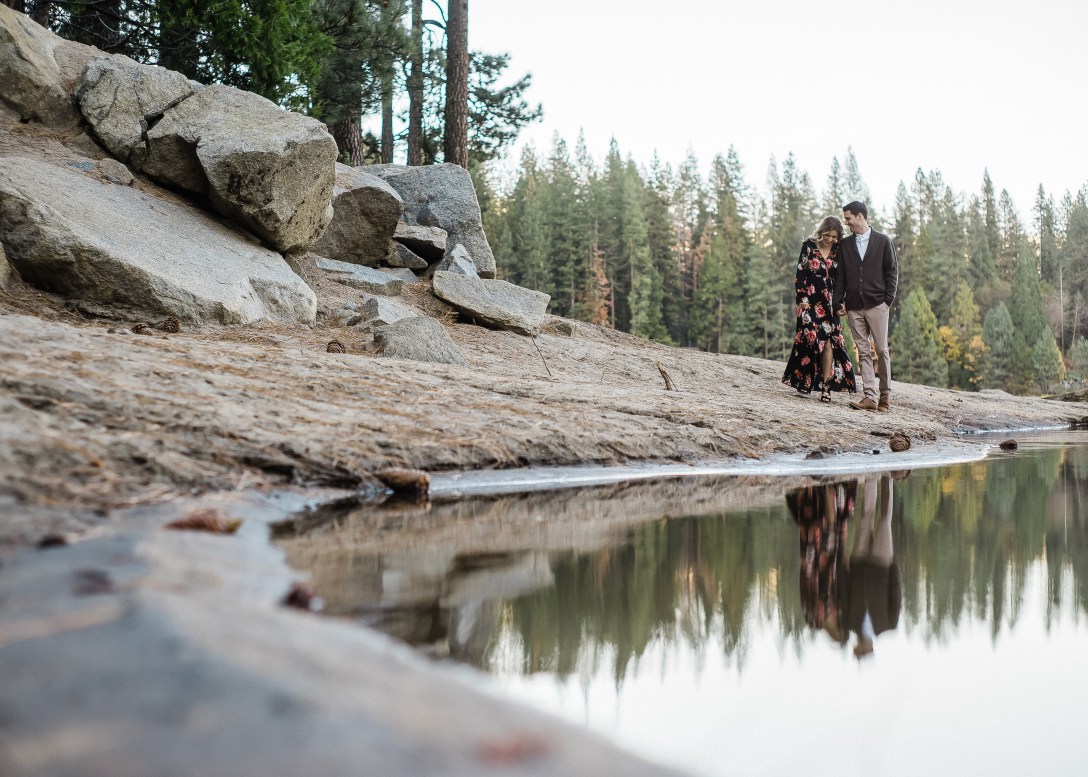
In this article, I’d like to share some images and my impressions from adapting the Pentax 55mm f/1.8 and the Vivitar 28mm f/2.8 lenses to my Sony a7II for an engagement portrait shoot.
The Old Becomes New
Since its inception, one of the unique aspects of the Sony alpha series of cameras is the ability to use almost any type of lens with the help of an adapter. Being a previous Canon shooter for almost 10 years, I had accumulated a number of L-series glass, and the thought of being able to use them on my a7II was exciting. My friends at my local camera shop also pointed out that not only can I use Sony lenses, but even lenses from other mounts, such as ones used on 35mm Leica cameras to name one. This never interested me back then since I never owned any glass other than Canon ones.
But this changed last year when my sister-in-law gave me an old Pentax K-1000 35mm film camera. She previously had it stored in her closet for years and never knew what to do with it. This gave me a great excuse to start fiddling around with film — something that I’ve always wanted to do since I first learned photography with a Canon Rebel XT.
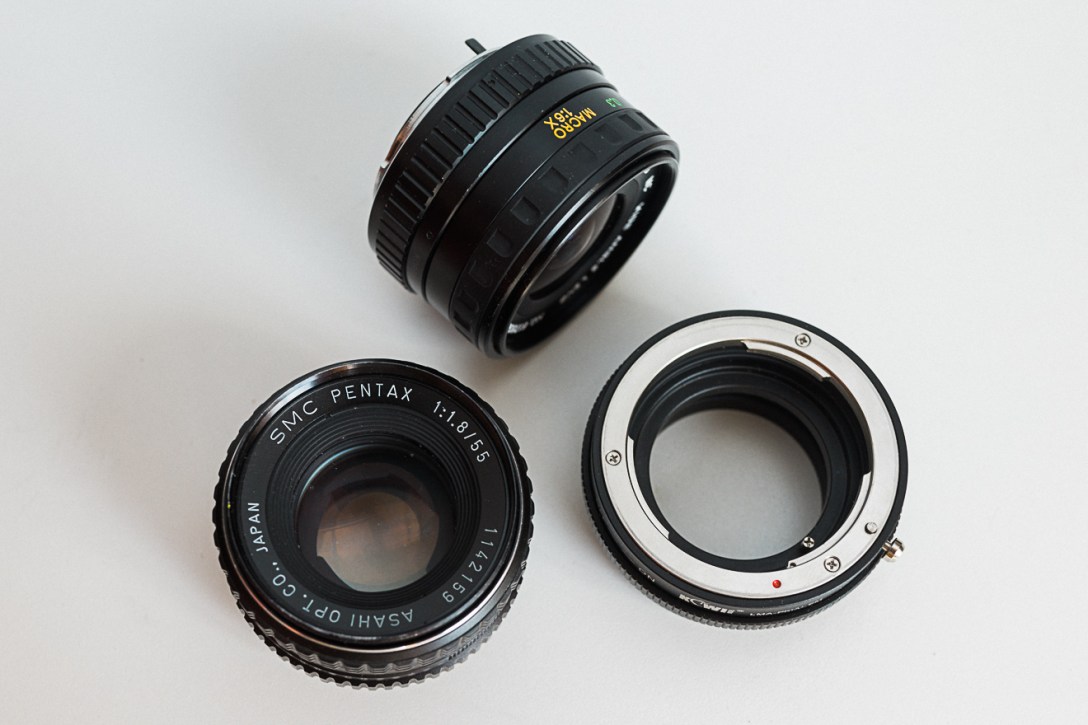



Strangely enough, that same week I received the Pentax camera, my wife and I found a K-mount Vivitar 28mm f/2.8 lens at the camera section of a thrift store — I bought it for around $12. A couple of months later, I found a Pentax SMC 55mm f/1.8 at my local camera store’s used section. I asked if I could trade my rarely used Canon nifty fifty for it, and to my surprise, they agreed. Just like that, I was the owner of two Pentax manual lenses. For a few months, I learned how to shoot film with these two lenses and the K-1000. Then, it dawned on me about what my friend at the camera shop told me regarding adapted lenses and the a7 series. I quickly stopped by the shop to purchase a K-mount adapter for around $50, and after playing with the Pentax lenses on my a7II, I knew I had to try it out on a portrait session.


Why Shoot With Legacy Lenses?
One of the things that I enjoyed about these lenses is how smooth the focusing rings were compared to more contemporary lenses. It makes sense when I realized that these lenses are made to be solely focused manually. There was no other way to focus them, so the designers made sure that the focus rings were as smooth as butter. You’ll never want to use manual focus again on newer lenses once you’ve tried legacy lenses. They are also very compact since they didn’t have any auto-focusing mechanisms. In fact, as you can see from the lens images in the beginning of this article, the legacy lenses are almost as small as the K-mount adapter. This is a big plus if you’re trying to keep your set up small and light-weight. Most manual focus lenses from back in the day are constructed with an aperture ring — something that I enjoyed using with my RX1. For me that is a plus. As a bonus, because of the IBIS (In-Body Image Stabilization) built into all of the current Sony Alpha cameras, all your legacy lenses automatically benefits from this feature. The final and probably most appealing part about these older lenses is that you can find them usually very cheap at the used section of your camera store, online, or unearth that occasional gem at your local thrift store.


The Experience of Shooting With Legacy Lenses
Apart from saving money and enjoying a smaller setup, the actual experience of manual focus photography is (dare I say it) a total paradigm shift. I’ve never used manual lenses before and I quickly realized that I had to change the way I shoot — and I don’t mean to say that in a negative sense. My approach just had to be different. Usually, I will compose the image, then select my focus point ahead of time, and then pick my focus point, focus, then shoot. When I focus manually, I find myself composing first, then I rack my focus from near to far, and with the aid of the focus-peaking function on my a7II, I witness my image come into focus. The beauty in this method is that sometimes, I will find a different point of focus that is far more interesting that the one I had first intended. Also, in some lighting conditions (like backlit situations), using auto focus is almost impossible, but it’s far easier when manually focusing. This is also the case when you have something in the foreground that can mess with the autofocus, like wind-blown hair or a chain-linked fence. The whole process of creating images becomes more “stream-of-conciousness” for lack of a better analogy. I understand that this may delight some, but be an annoyance for others. The good thing is that trying this method won’t cost you too much money at all, and you may find that manual focus lenses are a game-changer for your style of shooting.
Have A Question?
Mirrorless photography is the next big thing, and it’s here! If you have any questions about switching to or starting with a mirrorless camera system, please feel free to ask by using the form below. I also reach out to my readers occasionally through a newsletter containing special content such as previews of new gear, videos, tutorials, and more. Use the same form to sign up and get advanced notice on all the exciting news.


 Move To Mirrorless